In Nigeria, compliance violations that must be reported vary based on the industry and the nature of the offense, but key areas include financial crimes, data privacy breaches, and corporate governance failures. Numerous regulatory bodies, including the Nigerian Financial Intelligence Unit (NFIU) and the Nigeria Data Protection Commission (NDPC), enforce mandatory reporting requirements.

Financial and economic crimes
- Suspicious transactions: Financial institutions and designated non-financial businesses and professions (DNFBPs) must report suspicious transactions to the NFIU within 24 hours if they have reasonable grounds to suspect they involve money laundering, terrorism financing, or other financial crimes.
- High-value cash transactions: Institutions must report single cash transactions, lodgments, or transfers above N5 million for individuals and N10 million for corporate bodies to the NFIU within seven days.
- International fund transfers: DNFBPs are required to report international fund transfers exceeding $10,000 to the NFIU within one day of the transaction.
- Corruption and bribery: Organizations are obligated to report acts of corruption, including bribery, extortion, fraud, and embezzlement, to the appropriate authorities.
Data protection and privacy
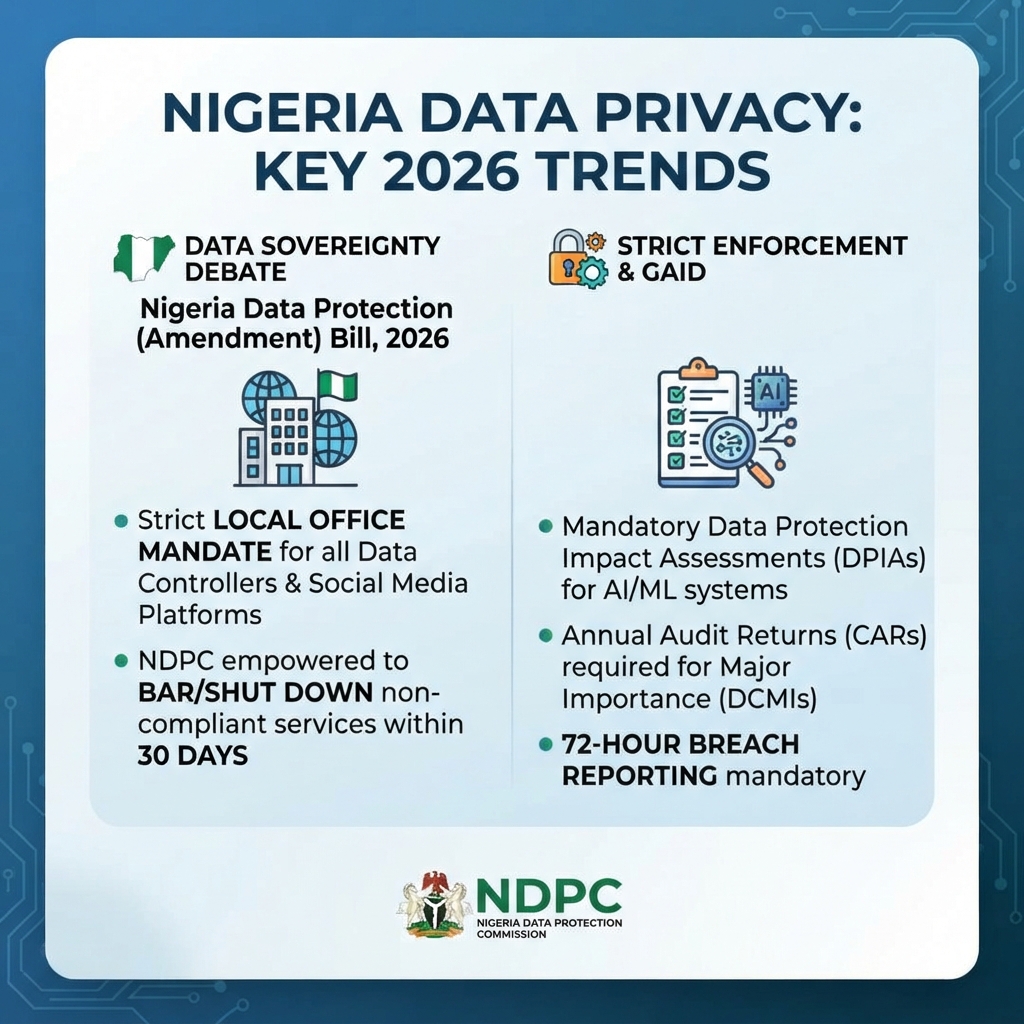
- Personal data breaches: Under the Nigeria Data Protection Act (NDPA) 2023, data controllers must notify the Nigeria Data Protection Commission (NDPC) within 72 hours of becoming aware of a breach that poses a risk to the rights and freedoms of individuals.
- High-risk breaches: If a personal data breach is likely to result in a “high risk” to the rights and freedoms of affected individuals, the data controller must also inform the data subjects immediately.
- Record keeping: Companies must maintain a record of all personal data breaches, including the facts, effects, and remedial actions taken, to demonstrate compliance.
Corporate governance
- Failures and non-compliance: Public Interest Entities (PIEs), such as listed companies, banks, and other large corporations, must report any violations of the Nigerian Code of Corporate Governance (NCCG) to the Financial Reporting Council of Nigeria (FRCN).
- Audits and evaluations: PIEs are required to submit annual corporate governance reports and audited financial statements to the FRCN. These reports must include details on board evaluations and any failures to apply the code’s principles.
- Related party transactions: Companies must disclose details of related party transactions, including any instance of unreported conflicts of interest, insider trading, or fraud.
Sector-specific violations
- Oil and gas: The Nigerian Content Development and Monitoring Board (NCDMB) mandates the reporting of violations related to Nigerian content requirements. This includes the failure to submit required documents, obtain permits, and utilize local labor and goods.
- Pension operators: The National Pension Commission (PenCom) requires compliance officers of Pension Fund Administrators (PFAs) to report any violations of the Pension Reform Act and its regulations.
- Telecommunications: The Nigerian Communications Commission (NCC) enforces compliance with consumer protection and corporate governance guidelines. Violations related to unsolicited messages or other service-related issues must be addresse