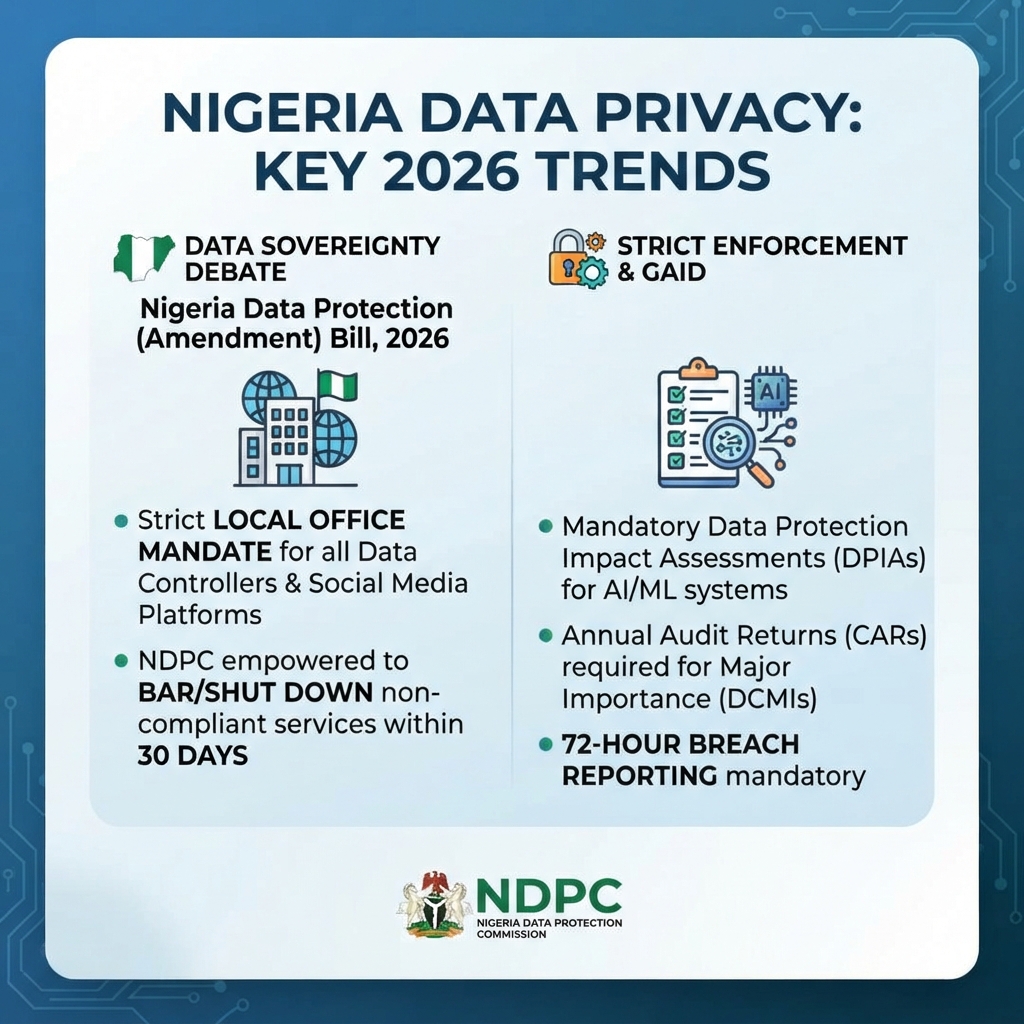
As regulatory bodies crack down on data privacy violations, a rising wave of predatory compliance scams is targeting small businesses, charities, and independent professionals across the country. Fraudulent actors, posing as official agents, are demanding exorbitant fees for “mandatory” data protection registration certificates—fees that many struggling organizations simply cannot afford in today’s harsh economic climate.
Data protection registration is legally required for many entities handling personal information. It ensures that customer data, financial records, and private information are handled safely, shielding organizations from catastrophic data breaches and massive regulatory fines. However, as operational costs soar, malicious actors are capitalizing on fear and confusion, selling counterfeit certificates to desperate business owners.
The reality is that verifying your compliance status does not have to cost a fortune. Most national data protection authorities provide public, searchable databases where any organization can check its registration status completely free of charge.
How to Vet a Certificate for Free
To protect your organization from being scammed, follow these three steps to verify a data protection certificate or check your registration status without spending a dime:
• Use the Official Registry: Never rely on a third-party link sent via email. Visit the official government website of your local data protection authority (such as the NDPC in Nigeria or the ICO in the UK) and navigate to their public register section.
• Search by Unique Identifiers: Enter the organization’s legal name, registration number, or tax ID into the official database to see if an active certificate exists.
• Inspect and Scan the QR Code: Any modern, authentic data protection certificate must feature a QR code; if a certificate lacks a QR code entirely, it is a definitive fake. However, verification does not end there. Scammers frequently print dead, cosmetic, or misleading QR codes onto counterfeit documents. To truly vet it, you must scan the code with a smartphone.
A genuine QR code must be fully scannable and must direct you exclusively to an official government domain (such as a .gov.ng or .gov.uk address). Once loaded, the official portal must dynamically display your exact, matching organization details, registration number, and active status directly on the government’s secure database. If the link leads to a generic, third-party, or unencrypted website, the certificate is fraudulent