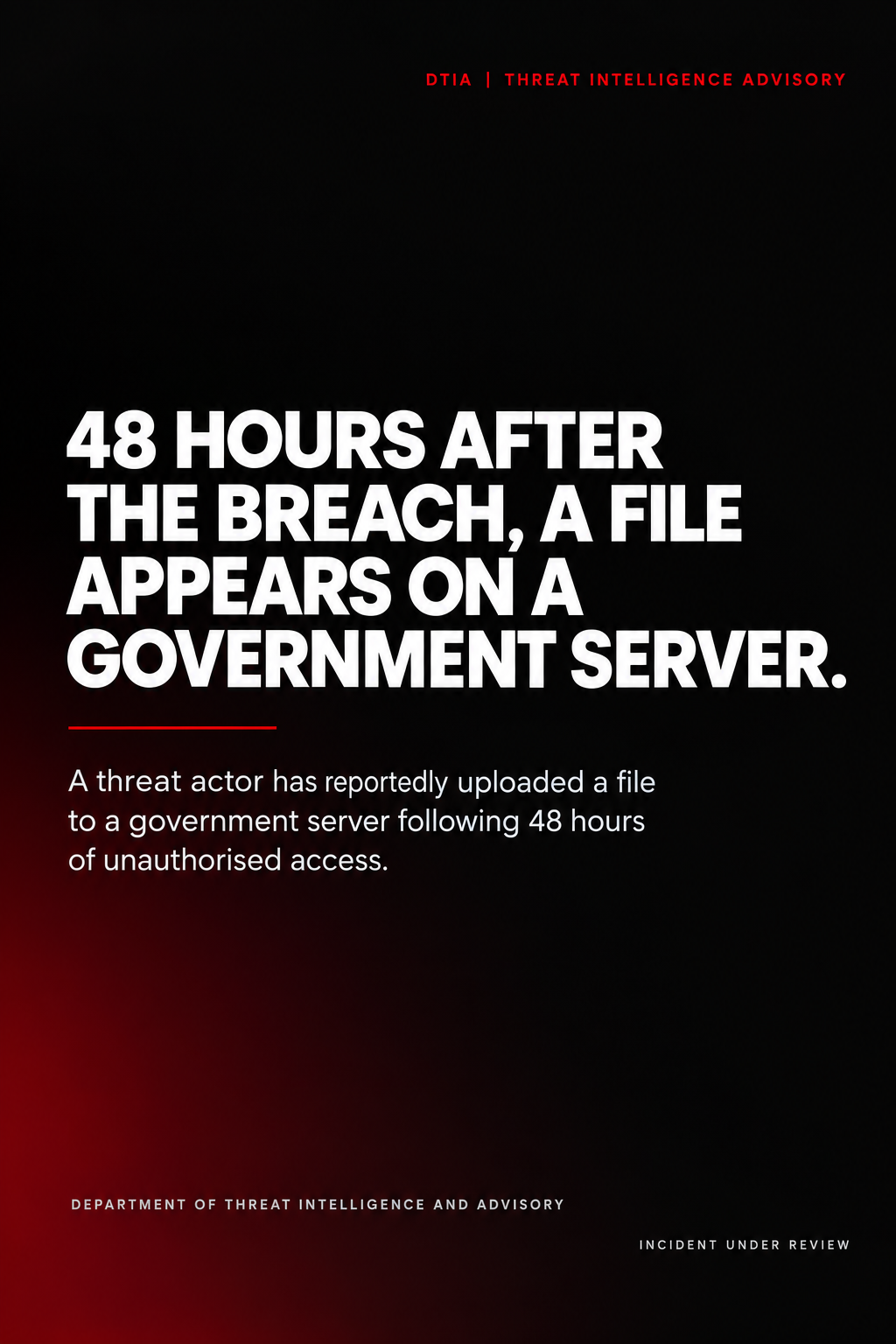
The Nigerian Communications Commission (NCC) is facing a significant security incident following a cyberattack that successfully compromised at least two of its public-facing web servers.
Threat actors breached the infrastructure hosting consumer.ncc.gov.ng (the NCC Consumer Affairs bureau portal) and csirt.ncc.gov.ng (the official portal for the NCC’s Computer Security Incident Response Team). The irony of the breach targeting the CSIRT platform, a hub specifically designed to help the country prevent and respond to cyber threats, highlights the audacity and targeted nature of the attackers.
Unauthorized Access and File
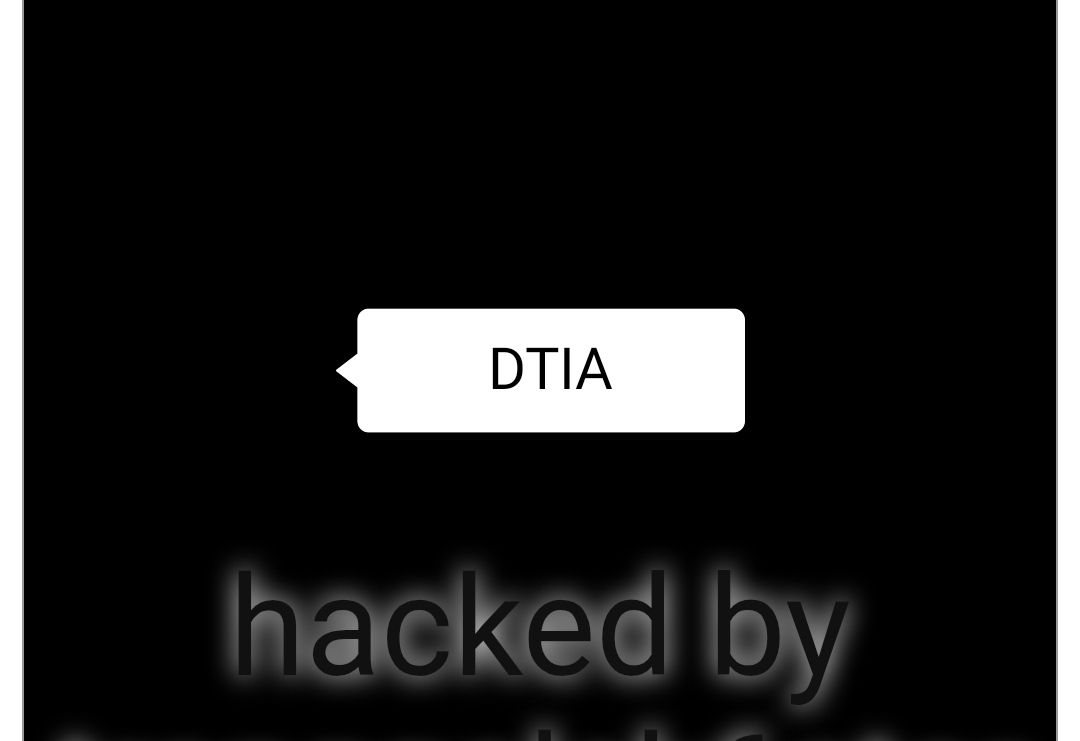
ExploitationPreliminary technical details indicate that the attackers gained unauthorized access to the underlying web servers of both subdomains. Once inside, the threat actors successfully executed arbitrary file uploads, a technique frequently used to establish persistent access, deface websites, or deploy malicious web shells for further network penetration.
A sample of the uploaded file has reportedly been recovered from the compromised directories, hinting at a potential vulnerability in the portals’ file validation mechanisms or content management systems. Security analysts are currently reviewing the file payload to determine whether the attackers used automated vulnerability scanners or leveraged a zero-day exploit to bypass existing defenses.
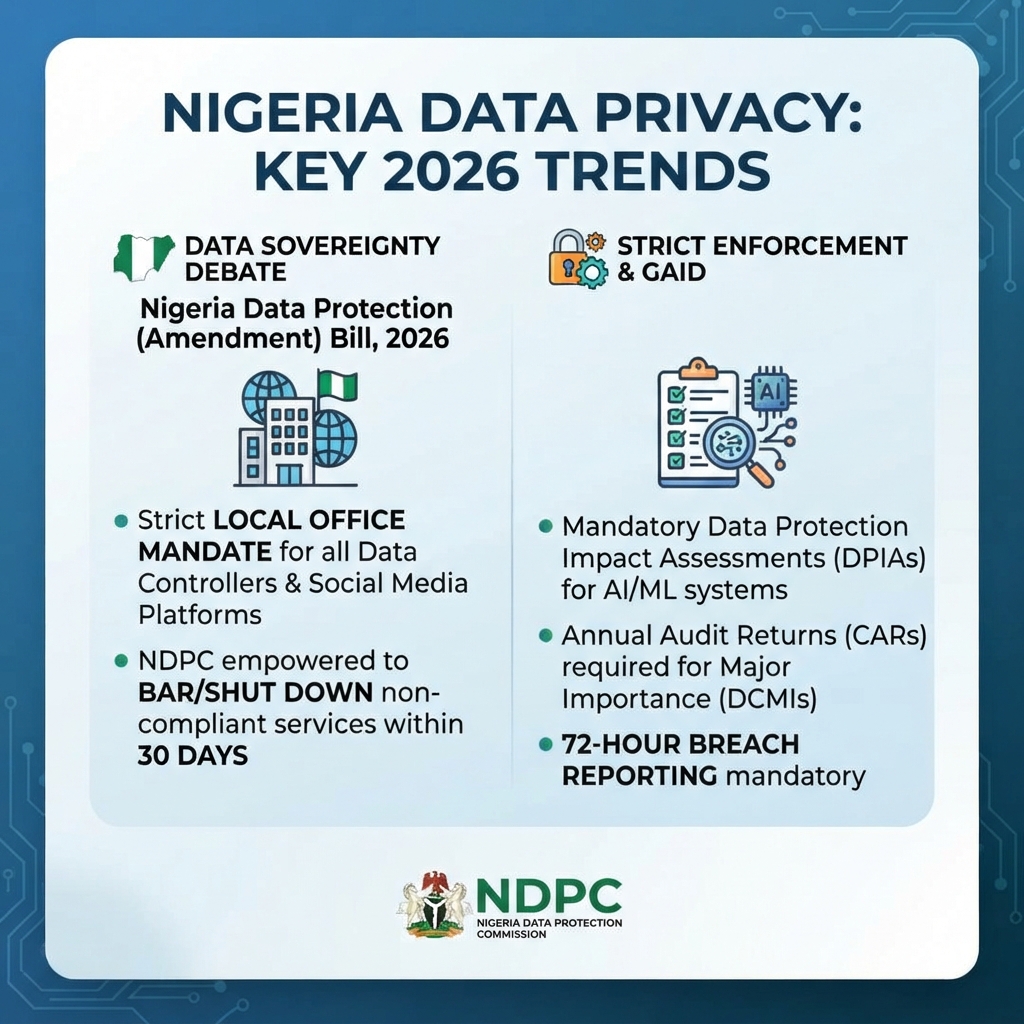
Data Protection and Compliance ObligationsAs a major government repository of citizen data, this breach triggers strict statutory obligations for the NCC under Nigerian law. Under the Nigeria Data Protection Act (NDPA), the NCC operates as a Data Controller. Because the compromised consumer.ncc.gov.ng portal processes public complaints, telecom inquiries, and personal details, the Commission faces the following immediate legal mandates:
Mandatory Breach Notification: Section 40 of the NDPA dictates that the NCC must notify the Nigeria Data Protection Commission (NDPC) within 72 hours of becoming aware of a data breach that risks the rights and freedoms of individuals.
Data Subject Notification: If the forensic audit confirms that personal data was leaked and poses a high risk to citizens (such as identity theft or phishing), the NCC must notify the affected consumers directly without undue delay.
Regulatory Penalties: Failure to comply with NDPA regulations or adequately protect citizen data can result in severe regulatory fines, mandatory remedial orders, and significant reputational damage for a public institution.
Incident Status and Immediate Actions
The full extent of the data exposure remains unclear. However, the compromise of the raises immediate concerns regarding the potential exposure of citizens’ data, including complaints, personal details, and telecommunications dispute histories. Simultaneously, the breach of the CSIRT domain presents a symbolic blow, potentially undermining public trust in national cybersecurity advisories.
Standard incident response procedures dictate that both affected subdomains undergo immediate isolation, forensic auditing, and credential rotation to prevent lateral movement within the government network.
This is a developing story. Technical breakdowns of the uploaded file sample and official comments from the NCC will be provided as more details emerge shortly.Immediate Cybersecurity and Incident Response Advice
Based on the nature of file-upload breaches on public web servers, the following immediate steps are recommended for the technical team managing the recovery:
1. Isolate the Servers: Pull the affected web servers offline or place them behind a strict firewall block immediately. Do not wipe them yet; preserve the volatile memory and storage state for forensics.
2. Terminate all active web sessions and SSH/RDP connections to the compromised servers to eject any threat actors currently lurking in the system.
3. Analyze the file format of the sample. If it is a script (such as .php, .jsp, or .asp), it means the attackers likely have a functional web shell giving them command-line access to the operating system.
4. Patch the Vulnerability: Identify how the file was allowed to upload. Implement strict file-type validation (allowlisting safe extensions like .jpg or .pdf only, rather than blocklisting), and ensure uploaded files are stored in a non-executable directory.
5. Credential Revolution: In an abundance of caution, rotate all database passwords, API keys, and administrative credentials associated with both subdomains.
Compliance Check:
Document Everything: Log the exact timeline of discovery, containment steps, and the exact categories of data potentially exposed. This documentation is legally required to satisfy the NDPC breach reporting requirements.