Introduction: The Right Tools to Operationalize NDPA Compliance in 2026
As the Nigeria Data Protection Act (NDPA) matures and enforcement accelerates, organizations are prioritizing operational tooling—beyond policy PDFs—to embed privacy by design. Choosing the best Nigeria data protection compliance software in 2026 means finding platforms that map directly to NDPA obligations while fitting your stack, budget, and team capacity.
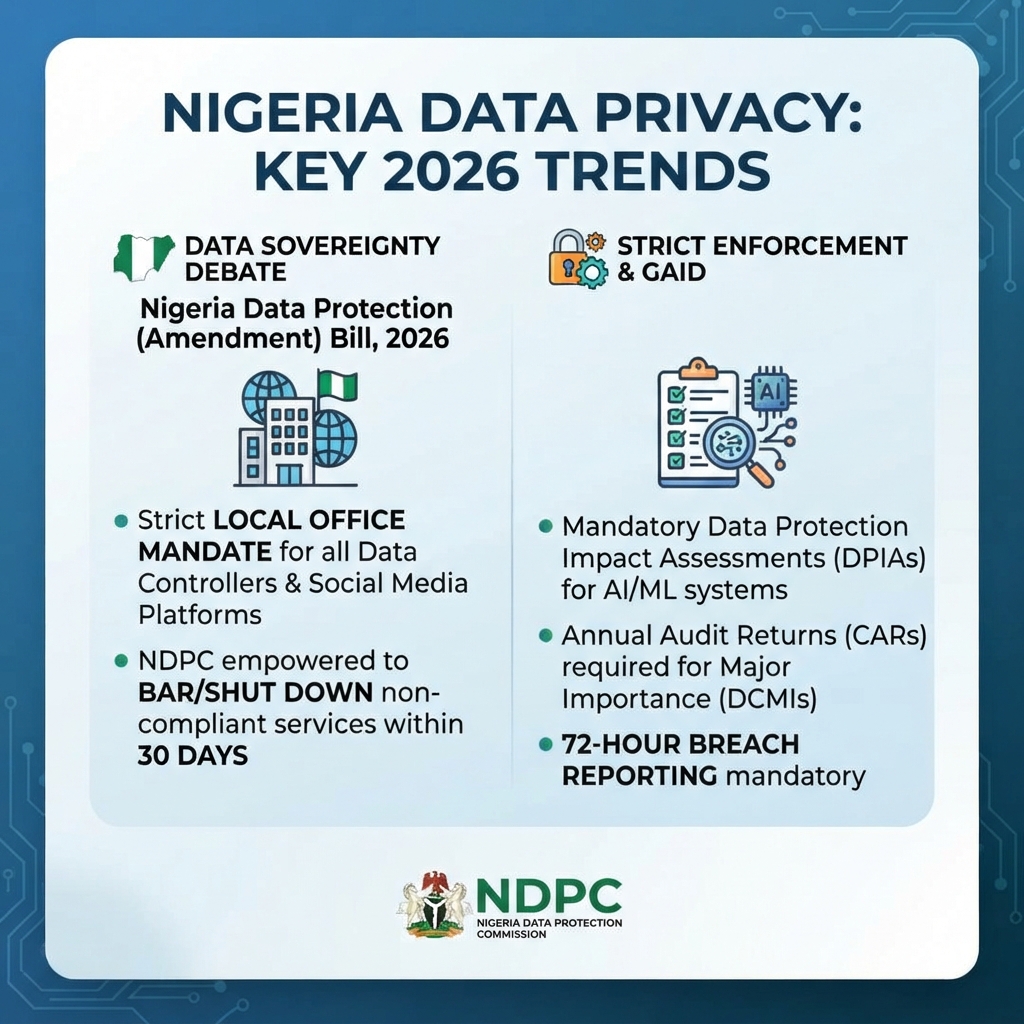
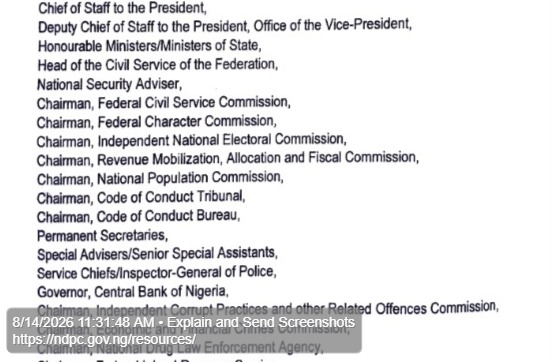
The Nigeria Data Protection Commission (NDPC) emphasizes demonstrable accountability, measurable controls, and auditable evidence. Your software should transform these expectations into automated workflows, reliable records, and continuous monitoring. For background on core principles, see the overview of data protection and NDPC guidance at ndpc.gov.ng.
Quick Summary: Selection Criteria and Top Categories
Shortlist faster with a category-first view and practical criteria tailored to NDPA and Nigerian operations.
- Top Categories: Governance suites (RoPA, DPIA, DSAR, vendor risk); Consent and preference management; Breach response and incident management; Training and awareness; Lightweight SME options.
- Core Criteria: NDPA control mapping, localization for Nigeria (time zone, templates, regulatory references), pricing transparency in NGN or clear FX policies, strong support and implementation services, and integrations (HRIS, M365/Google, cloud, ticketing).
- Outcome Focus: Reduce audit friction, increase evidence quality, automate repetitive tasks, and centralize risk visibility.
Evaluation Criteria: NDPA Mapping, Localization, Pricing, and Support
Evaluate platforms with a structured matrix aligned to NDPA requirements and your operating model.
- NDPA Mapping: Built-in controls mapped to NDPA obligations (lawful basis, transparency, data subject rights, retention, cross-border transfer assessments), with configurable policies and automated evidence logs.
- Localization: Nigeria-focused templates (e.g., NDPA-ready RoPA and DPIA), NDPC references, West Africa Time (WAT) stamps, adaptable consent language, and regional data residency options where possible.
- Pricing: Clear tiers, usage metrics (records, DSARs, processors), NGN billing or stable FX terms, and predictable implementation costs.
- Support: Local or regional partners, SLAs, in-product help, and onboarding accelerators (playbooks, sample notices, DPA templates referencing NDPA/NDPR legacy).
- Interoperability: APIs, webhooks, SCIM/SSO, and connectors for M365, Google Workspace, AWS/Azure/GCP, ticketing (Jira/ServiceNow), SIEM/SOAR where relevant.
Top Governance Suites: RoPA, DPIA, DSAR, and Vendor Risk (e.g., OneTrust, Securiti, TrustArc)
Comprehensive governance platforms centralize your privacy operations and scale with complexity. Leading suites—such as OneTrust, Securiti, and TrustArc—offer modules that cover end-to-end NDPA workflows.
- RoPA & Data Mapping: Auto-discovery connectors, system inventory, and processing activity records with NDPA-aligned attributes and retention fields.
- DPIA/PIA: Risk-based questionnaires, scoring, mitigation tracking, and audit-ready evidence. See the foundation of impact assessments on DPIA.
- DSAR Automation: Intake forms, identity verification, search across systems, redaction tools, and response templates aligned with NDPA rights. Learn about requests on DSAR.
- Vendor & Third-Party Risk: Due diligence questionnaires, DPA tracking, risk scoring, and continuous monitoring of processors and sub-processors.
For many mid-large organizations, these suites are the best Nigeria data protection compliance software option because they consolidate evidence, reduce manual effort, and offer modular growth paths.
Consent and Preference Management: Web/App SDKs, Cookie Banners, and Audit Trails
Consent and preference tools standardize how you capture lawful basis, prove consent, and honor user choices across web and apps.
- SDKs & Banners: Lightweight scripts and mobile SDKs for consent prompts, localized text, and granular purposes.
- Preference Centers: Self-serve hubs for marketing channels (email/SMS/push), language, and data rights triggers.
- Audit Trails: Immutable logs with WAT time stamps, versioned notices, and IP/device metadata to evidence valid consent.
- AdTech & Tag Governance: Real-time tag control, cookie categorization, and policy enforcement to reduce shadow tracking.
Well-implemented consent management boosts trust and conversion while keeping you aligned to NDPA’s transparency and choice principles.
Breach Response and Incident Management: Playbooks, Workflows, and Evidence
Incidents require fast, documented action. Purpose-built tools orchestrate roles, tasks, and communication to meet statutory timelines defined by the NDPC.
- Playbooks: Pre-built decision trees for containment, assessment, notification criteria, and regulator engagement.
- Workflows: Triage, severity scoring, legal review, and approvals with time-stamped activity logs.
- Evidence Management: Attachments, chain-of-custody, post-incident reports, and corrective action tracking.
- Integrations: Hooks to SIEM/SOAR and ticketing for rapid escalation and end-to-end traceability. For context, see data breach basics.
Look for systems that align breach thresholds to NDPA guidance and simplify regulator and data subject notifications.
Training and Awareness Platforms: Staff Courses, Phishing Sims, and LMS Integrations
Culture and competence are pivotal to avoiding violations. Effective training blends concise lessons, practical scenarios, and measurable outcomes.
- Microlearning: Role-based courses for HR, engineering, marketing, and frontline teams with NDPA context.
- Phishing Simulations: Realistic campaigns, adaptive difficulty, and remediation content.
- LMS Integrations: SCORM/xAPI support, HRIS sync, and completion reporting. For change adoption tips, see HubSpot on change management.
- Policy Attestations: Digital sign-offs for privacy policies, DPAs, and code of conduct with renewal reminders.
Tracking completion and knowledge gaps helps demonstrate accountability during NDPC inspections or partner audits.
Lightweight Options for SMEs: Templates, Checklists, and Automation on a Budget
SMEs need practical, affordable tools that still generate audit-ready outputs. Start lean but keep a path to scale.
- Templates & Checklists: NDPA-aligned RoPA spreadsheets, DPIA forms, incident logs, and records retention tables.
- Low-Code Automation: DSAR intake via forms, ticket routing to email/helpdesk, and simple redaction workflows.
- Consent Basics: Lightweight cookie banners and marketing preference capture integrated with CRM/Email tools.
- Upgrade Path: Choose vendors that let you add modules (e.g., vendor risk) without costly migrations.
When used consistently, these options can satisfy NDPA requirements for many small organizations at a fraction of enterprise costs.
Implementation Playbook: Rollout, Integrations, and Change Management
A disciplined rollout ensures your investment results in measurable compliance outcomes and reduced risk.
- Discovery: System inventory, data flow mapping, stakeholder mapping, and gap analysis.
- Pilot: Start with one business unit and 2–3 core workflows (e.g., DSAR + RoPA + consent) to refine configurations.
- Integrations: Connect identity (SSO/SCIM), email/ticketing, cloud platforms, and HRIS for reliable data sync.
- Change Management: Internal champions, quick-reference guides, and leadership updates. See Forbes on security awareness value.
- Metrics: Track DSAR cycle time, DPIA completion rates, vendor risk closures, consent opt-in rates, and incident MTTR.
Iterate quarterly, adding modules and tightening controls as your privacy maturity grows.
Conclusion: Build a Scalable, Audit-Ready Stack
The best Nigeria data protection compliance software is the one that operationalizes NDPA obligations consistently, proves accountability with evidence, and adapts as your business evolves. Prioritize NDPA mapping, localization, transparent pricing, and robust support.
Whether you choose an enterprise governance suite or a lean starter stack, focus on end-to-end traceability: from consent to DSAR, from DPIA to vendor risk, and from incidents to training. That’s how you stay audit-ready and turn compliance into a resilience advantage.
FAQ: Local Hosting, Pricing Models, and Tool Interoperability
Do I need local hosting in Nigeria?
NDPA emphasizes safeguards and lawful transfers. Local or regional (Africa) hosting can reduce latency and residency concerns, but strong encryption, access controls, and contractual measures remain critical. Confirm data residency options and transfer mechanisms with your vendor and legal counsel.
How do vendors price NDPA compliance tools?
Common models include per-employee, per-record, per-module, or usage-based (e.g., DSAR volume). Request NGN quotes or stable FX terms, and clarify onboarding, training, and integration costs to avoid surprises.
Will these tools work with my stack?
Look for REST APIs, webhooks, SSO/SCIM, and native connectors for M365, Google Workspace, AWS/Azure/GCP, HRIS, CRM, and ticketing. Ask for proof-of-concept integrations and a data dictionary to validate interoperability before signing.
Can I start small and expand?
Yes—select modular platforms or SME-friendly tools with an upgrade path to governance suites. Ensure data portability so you can migrate RoPA, DPIAs, and DSAR history without vendor lock-in.