Complete NDPA Audit in 72 Hours – Licensed DPCO
In today’s business environment, compliance and data protection are more critical than ever. Organizations handling sensitive information must ensure they adhere to the Non-Disclosure and Privacy Agreement (NDPA) standards to protect their data and maintain trust with clients and partners. However, conducting a thorough NDPA audit can be time-consuming and complex. This is where a Licensed Data Protection Compliance Officer (DPCO) can make all the difference by completing the audit efficiently — often within just 72 hours.
What is an NDPA Audit?
An NDPA audit evaluates an organization’s policies, procedures, and controls related to non-disclosure agreements and data privacy commitments. It ensures the company is compliant with legal and regulatory requirements, safeguarding confidential information against unauthorized access or misuse. The audit typically involves reviewing contracts, data handling processes, employee training, and technical safeguards.
GUIDE FOR TERTIARY INSTITUTIONS IN NIGERIA
Why is Speed Important?
In many cases, organizations need to demonstrate compliance quickly — whether due to regulatory deadlines, client demands, or internal risk management objectives. Delays in completing an NDPA audit can lead to:
- Increased legal risks and potential penalties
- Loss of client confidence
- Disruption in business operations
- Missed opportunities for contracts or partnerships
Completing the audit within 72 hours not only mitigates these risks but also provides peace of mind and a competitive advantage.
The Role of a Licensed DPCO
A Licensed Data Protection Compliance Officer is a certified expert authorized to conduct comprehensive data protection audits. Their expertise allows them to:
- Quickly assess compliance gaps
- Identify potential vulnerabilities
- Recommend actionable improvements
- Ensure adherence to industry best practices and legal frameworks
By leveraging their knowledge and experience, a Licensed DPCO can streamline the audit process without compromising thoroughness or accuracy.
How the 72-Hour NDPA Audit Works
- Initial Consultation: The DPCO works closely with your team to understand your business, data processes, and existing agreements.
- Documentation Review: All relevant NDPA documents, policies, and data handling procedures are collected and analyzed.
- Risk Assessment: The DPCO identifies compliance gaps, potential breaches, and areas for improvement.
- Reporting: A detailed audit report is delivered within 72 hours, outlining findings, risks, and recommended actions.
- Follow-Up Support: The DPCO provides guidance on implementing corrective measures and maintaining ongoing compliance.
Benefits of a Rapid NDPA Audit
- Timely Compliance: Meet regulatory deadlines promptly
- Reduced Legal Exposure: Minimize risks of breaches and penalties
- Enhanced Trust: Strengthen client and partner confidence
- Operational Efficiency: Quickly identify and resolve vulnerabilities
- Expert Guidance: Access to specialized knowledge and best practices
Ensuring NDPA compliance is essential for protecting your organization’s sensitive information and sustaining business success. With the expertise of a Licensed Data Protection Compliance Officer, you can complete a thorough NDPA audit within just 72 hours. This rapid, reliable process helps you stay ahead of regulatory requirements, safeguard your data, and build stronger relationships with clients and partners.
Don’t wait until it’s too late — schedule your NDPA audit with a Licensed DPCO today and experience the confidence that comes with swift, expert compliance assurance.
List of Licensed DPCOs that can deliver within 48-72hrs
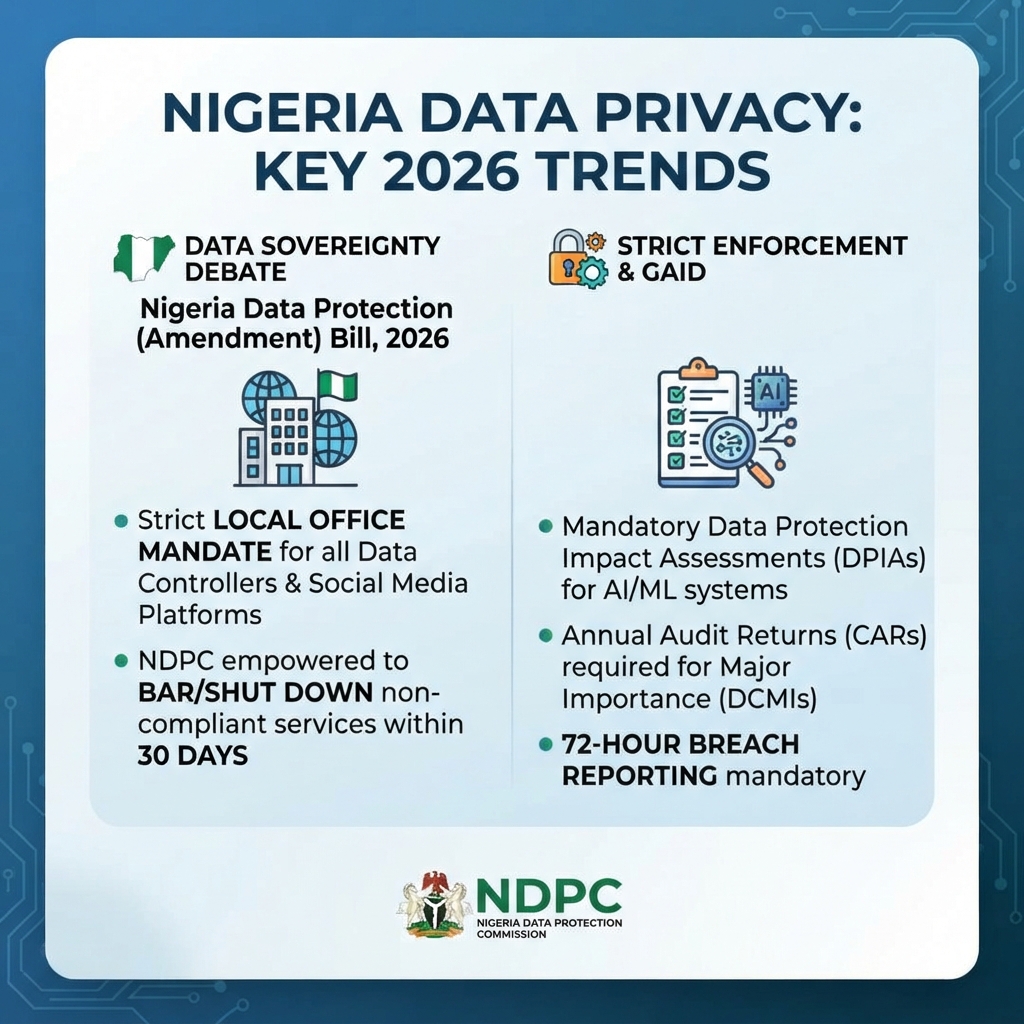
- Nigeria Data Protection (Amendment) Bill, 2026: All you need to know.
- ISACA Honours NDPC for Distinguished Regulatory Leadership in Nigeria
- Why non-compliant Businesses Are Being Locked Out of Government and Corporate Contracts
- Fake Compliance Scams Target Small Businesses: How to Verify Your Data Protection Status for Free
- The Beginner’s Guide to Renewing Your NDPC Data Protection Registration under the NDPA 2023