Achieving compliance with the Nigeria Data Protection Act (NDPA) is an indispensable investment rather than an optional administrative cost. While many institutional heads worry about the expense of bringing their school into legal alignment, the actual financial framework is highly structured and manageable. For small to mid-sized private polytechnics and tertiary institutions, a comprehensive data protection compliance project typically ranges between ₦500,000 to ₦800,000 to cover a full 2-year cycle. Breaking down this budget reveals a clear path to total regulatory safety:
- Official Regulatory Filing Fees: Setting up the mandatory framework begins with a statutory ₦100,000 registration fee paid directly to the Nigeria Data Protection Commission (NDPC).
- Licensed Expert DPCO Engagement: Retaining a certified Data Protection Compliance Organization (DPCO) to audit, map, and secure student databases requires an investment of ₦200,000 to ₦250,000 for annual statutory audit fees.
- Two-Year Compliance Coverage: Committing a total budget of ₦500,000 to ₦800,000 guarantees that a school is fully protected, audited, and legally clear for two consecutive academic calendar years.
- The Cost of Defiance: Failing to invest in this basic setup leaves schools exposed to statutory NDPC fines that can legally reach up to 2% of the institution’s entire annual gross revenue or at least 10 million Naira whichever is higher.
Spending less than a million Naira over two years completely insulates a tertiary institution from catastrophic multi-million Naira lawsuits, government shutdowns, and criminal prosecution.
What Institutions Receive Upon Notice to Comply
When the NDPC issues an official Notice to Comply, it is not just a warning; it is a formal regulatory directive. Upon receiving and satisfying this notice, compliant institutions are issued critical certifications and resources that safeguard their operations: [1]
- National Compliance Certificate: The NDPC issues an official Data Protection Compliance Certificate, proving the school is legally recognized.
- White-List Inclusion: The institution’s name is published on the NDPC’s national database of compliant organizations, boosting public trust.
- Official Implementation Toolkit: Schools receive statutory guidelines, templates, and frameworks to maintain data safety protocols.
- Legal Immunity: The certificate protects the school from immediate regulatory fines and arbitrary privacy lawsuits from the public.
-
UPDATES | ADVISORY | COMPLIANCE | NEWS
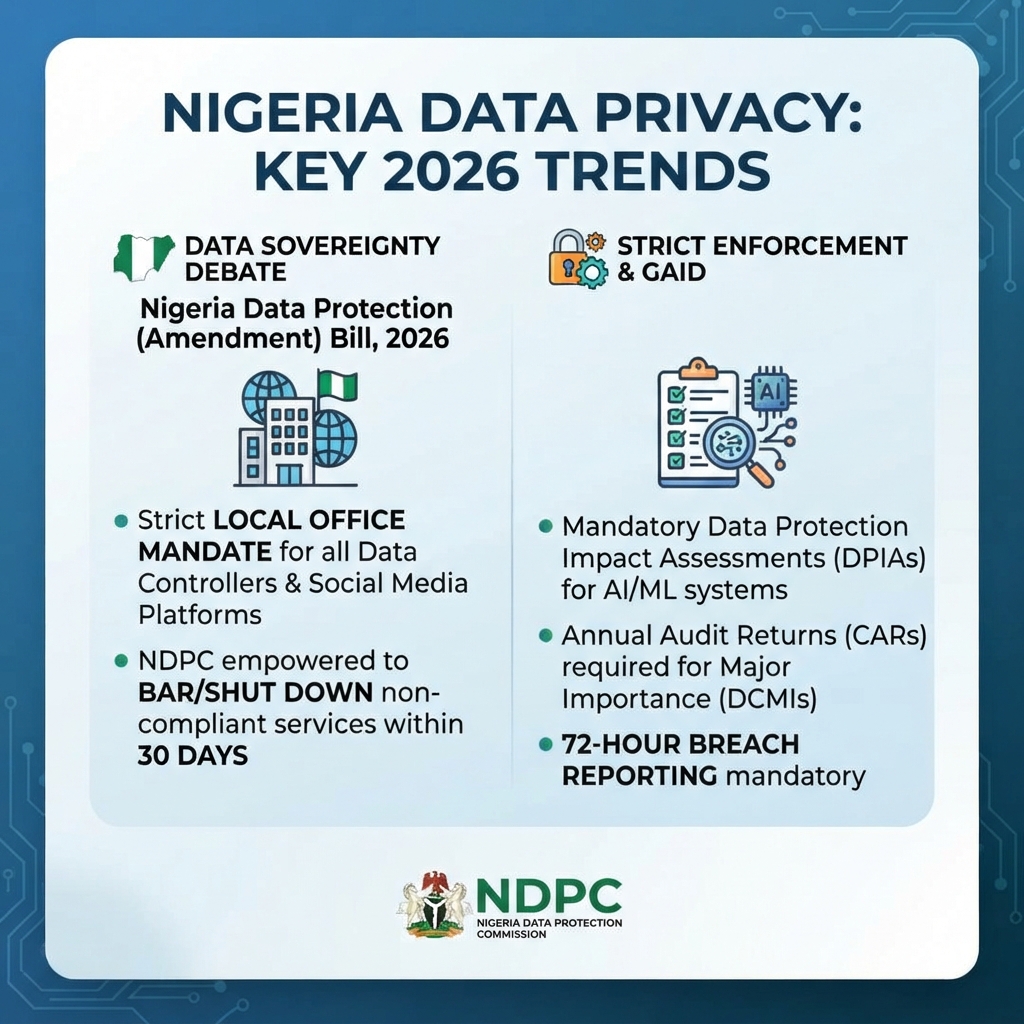
Nigeria Data Protection (Amendment) Bill, 2026: All you need to know.
A major debate is currently trending in the data protection space regarding the controversial Nigeria Data Protection Amendment Bill. The proposed bill, sponsored by Senator Ned Nwoko, seeks to introduce strict adjustments to how international tech companies handle Nigerian user data. The most heavily searched aspect of this bill is a mandate requiring every social […]
-
EVENTS | INTERNATIONAL | NEWS | UPDATES
ISACA Honours NDPC for Distinguished Regulatory Leadership in Nigeria
The Nigeria Data Protection Commission has received the Industry Leader Regulator Recognition Award from the ISACA Lagos Chapter during its 30th-anniversary celebration in Lagos. The ISACA Lagos Chapter honored the commission for its distinguished leadership, resilience, and commitment to building a trusted digital ecosystem in Nigeria. Ms. Omoikhefe Ahimie, the commission’s Lagos Liaison Officer, received […]
-
ADVISORY | COMPLIANCE | NEWS
Why non-compliant Businesses Are Being Locked Out of Government and Corporate Contracts
In business data protection compliance certificate is no longer just a regulatory formality—it is a mandatory license to do business. Across the globe, governments and major corporations are actively severing ties with third-party vendors, suppliers, and contractors who cannot prove their data protection compliance. If your organization lacks a valid data protection registration certificate, you […]
-
Fake Compliance Scams Target Small Businesses: How to Verify Your Data Protection Status for Free
As regulatory bodies crack down on data privacy violations, a rising wave of predatory compliance scams is targeting small businesses, charities, and independent professionals across the country. Fraudulent actors, posing as official agents, are demanding exorbitant fees for “mandatory” data protection registration certificates—fees that many struggling organizations simply cannot afford in today’s harsh economic climate. […]
-
The Beginner’s Guide to Renewing Your NDPC Data Protection Registration under the NDPA 2023
If your business collects, stores, or processes the personal data of up to 200 or more Nigerians within a six-month period—whether it’s customer phone numbers, BVNs, email addresses, or employee payroll—you are legally classified as a data controller or data processor. Under the Nigeria Data Protection Act (NDPA) 2023, managing this data comes with strict […]
-
ADVISORY | COMPLIANCE | DATA BREACH | INTERNATIONAL | NEWS | UPDATES
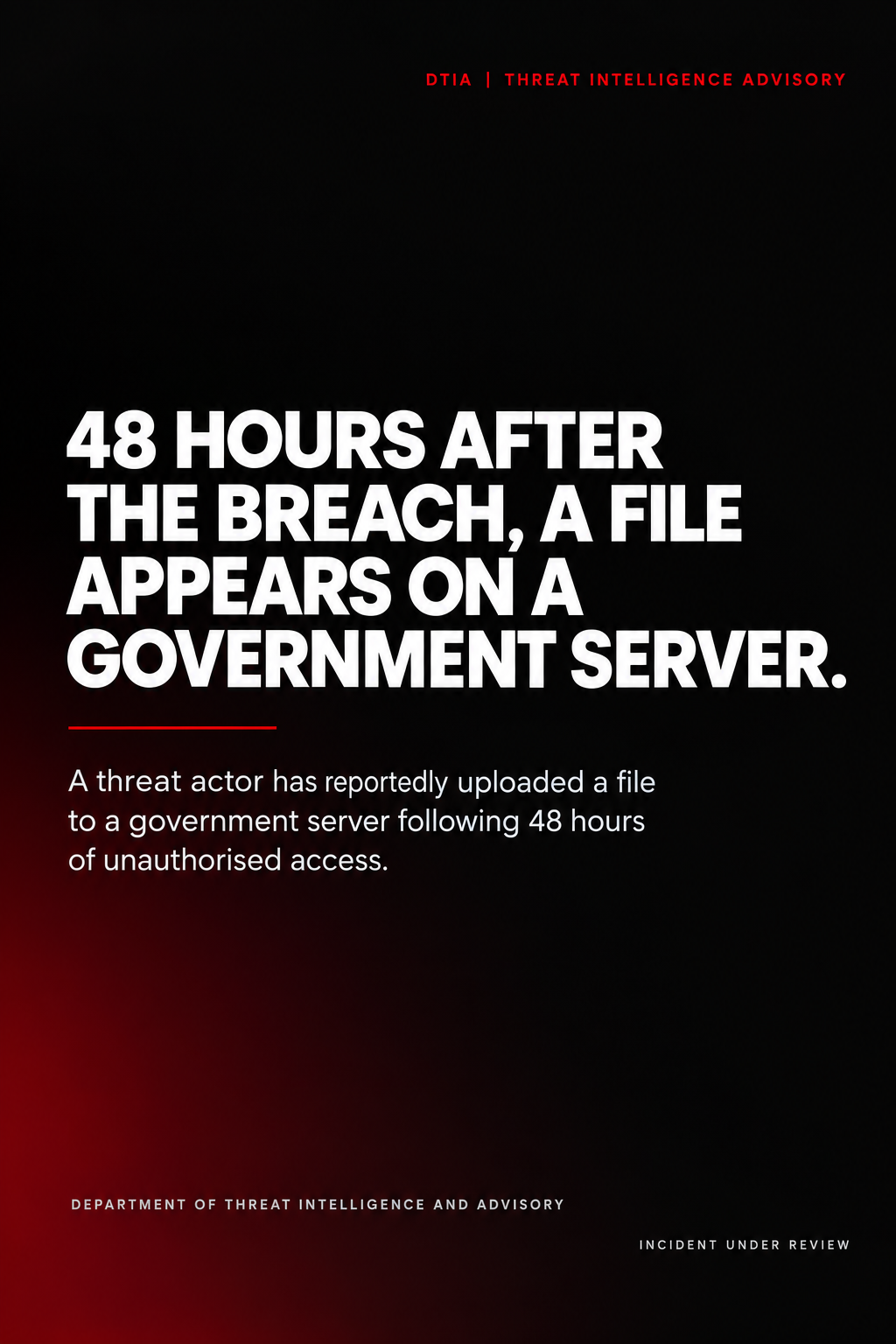
Multiple Nigerian Communications Commission Web Servers Compromised by Threat Actors
The Nigerian Communications Commission (NCC) is facing a significant security incident following a cyberattack that successfully compromised at least two of its public-facing web servers. Threat actors breached the infrastructure hosting consumer.ncc.gov.ng (the NCC Consumer Affairs bureau portal) and csirt.ncc.gov.ng (the official portal for the NCC’s Computer Security Incident Response Team). The irony of the […]