Protecting Citizen Trust: Nigeria Mandates Strict Data Protection for All MDAs
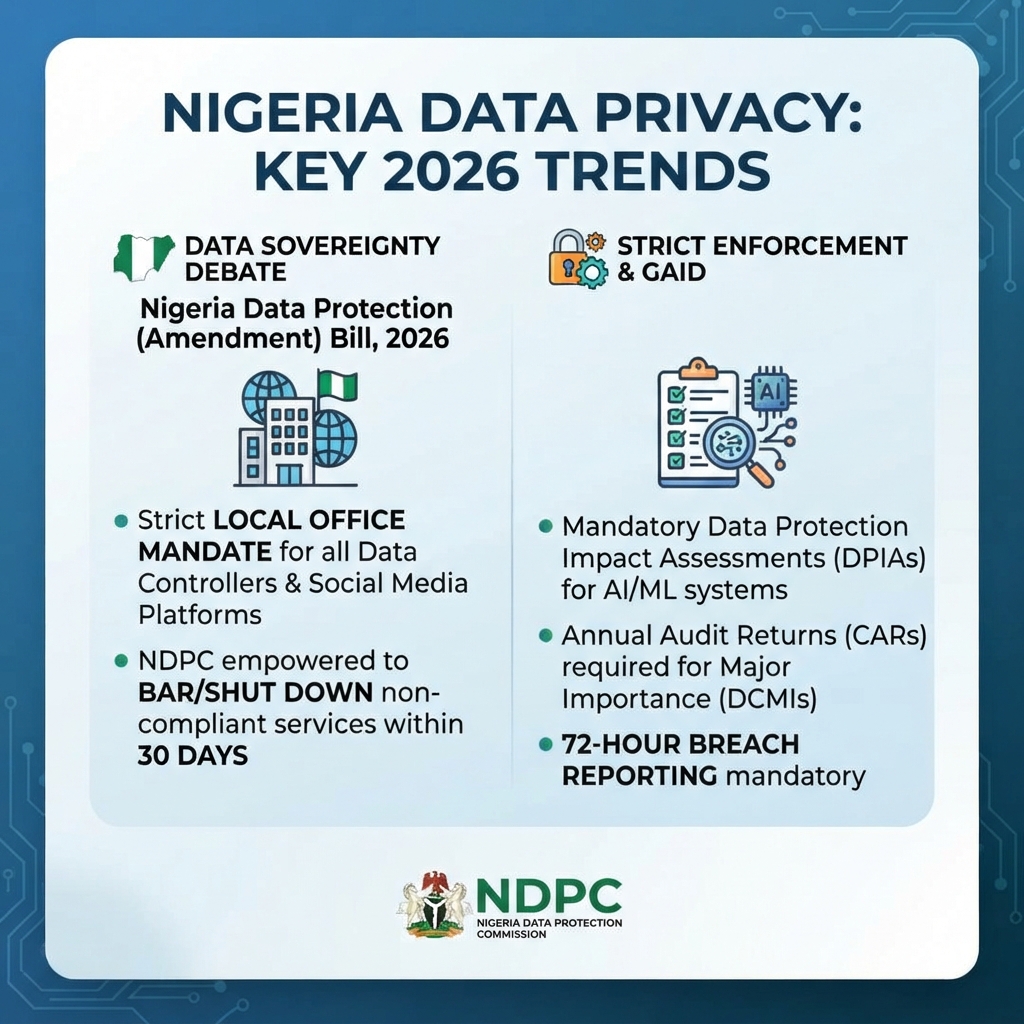
The Federal Government of Nigeria has taken a decisive step to secure the nation’s digital landscape by ordering all Ministries, Departments, and Agencies (MDAs) to fully implement the Nigeria Data Protection Act (NDP Act) 2023.
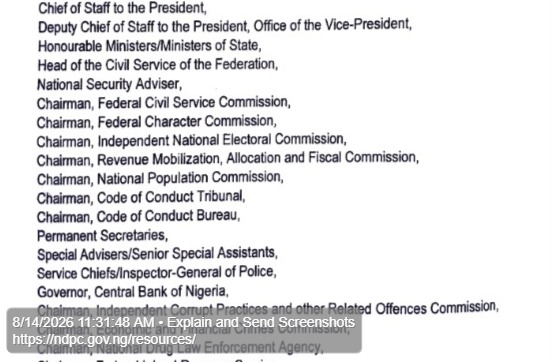
Through Circular No. 59805/S.I/74, the government has made data privacy a non-negotiable standard for the public sector.
This directive aims to protect citizen information, curb data breaches, and build public trust in digital governance.
Key Compliance Requirements
To meet this federal directive, every MDA must immediately adopt a structured data privacy framework.
The core requirements include:
- Appointing Dedicated DPOs: MDAs must designate qualified Data Protection Officers and register their details with the Nigeria Data Protection Commission (NDPC).
- Filing Annual Privacy Audits: Agencies must submit mandatory Data Protection Compliance Audit Returns to the commission every year.
- Partnering with DPCOs: Public institutions must hire licensed Data Protection Compliance Organisations to guide their internal audits.
- Allocating Dedicated Budgets: MDAs must set aside specific funds to finance staff training, technical tools, and privacy awareness campaigns.
Direct Executive Accountability
The new directive places the burden of compliance directly on institutional leaders.
Permanent Secretaries, Chief Executive Officers, and Director-Generals are now personally liable for data mismanagement within their agencies.
Failing to safeguard public data will attract strict enforcement actions and legal penalties under the NDP Act.
Support and Implementation
To ease this transition, the NDPC has launched a specialized regulatory clinic.
This initiative provides technical support, resources, and step-by-step guidance to help public institutions upgrade their cybersecurity infrastructure.
By enforcing these measures, Nigeria is creating a highly secure digital public service that respects and protects the privacy of every citizen.