Meta and Nigeria Data Protection Commission (NDPC) have reached an out-of-court settlement regarding the $32.8 million fine imposed on the tech giant. This agreement marks a significant development in the ongoing regulatory scrutiny faced by Meta in Nigeria.
The fine was initially levied following allegations that Meta violated Nigeria’s data protection laws, specifically related to the handling and processing of users’ personal data without adequate consent. The NDPC had accused Meta of failing to comply with the Nigeria Data Protection Regulation (NDPR), which mandates strict guidelines on data privacy and user consent.
Under the terms of the settlement, Meta has agreed to pay the $32.8 million fine and implement enhanced data protection measures to ensure compliance with Nigerian laws moving forward. Both parties expressed satisfaction with the resolution, emphasizing the importance of cooperation between regulators and multinational corporations in safeguarding users’ privacy rights.
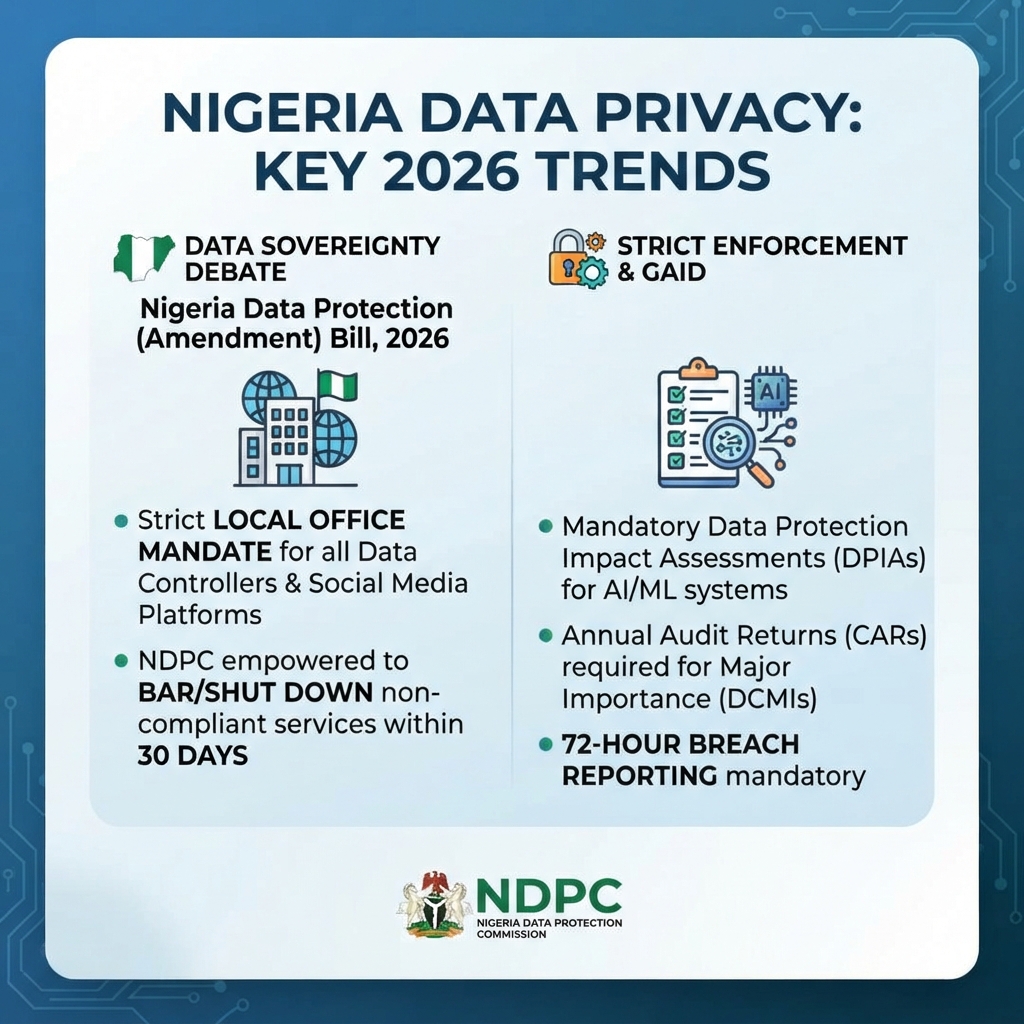
Experts believe this settlement could set a precedent for other technology companies operating in Nigeria, highlighting the increasing enforcement of data protection regulations in the country. The NDPC has also reiterated its commitment to protecting citizens’ data privacy and promoting responsible data management practices.
Meta, for its part, stated that it remains dedicated to respecting user privacy and complying with all applicable laws in the countries where it operates. The company also announced plans to invest in local data protection initiatives and increase transparency in its data handling processes.
This development comes at a time when data privacy concerns are growing globally, with governments around the world introducing stricter regulations to protect personal data. Nigeria’s proactive stance through the NDPC serves as a critical reminder for companies to prioritize data security and user privacy in their operations.
The settlement concludes a lengthy dispute and paves the way for improved relations between Meta and Nigerian regulators. It also underscores the evolving landscape of data protection enforcement in Africa, signaling greater accountability for technology firms in the region.