Introduction: What the NDPC registration portal is and why it matters in 2026
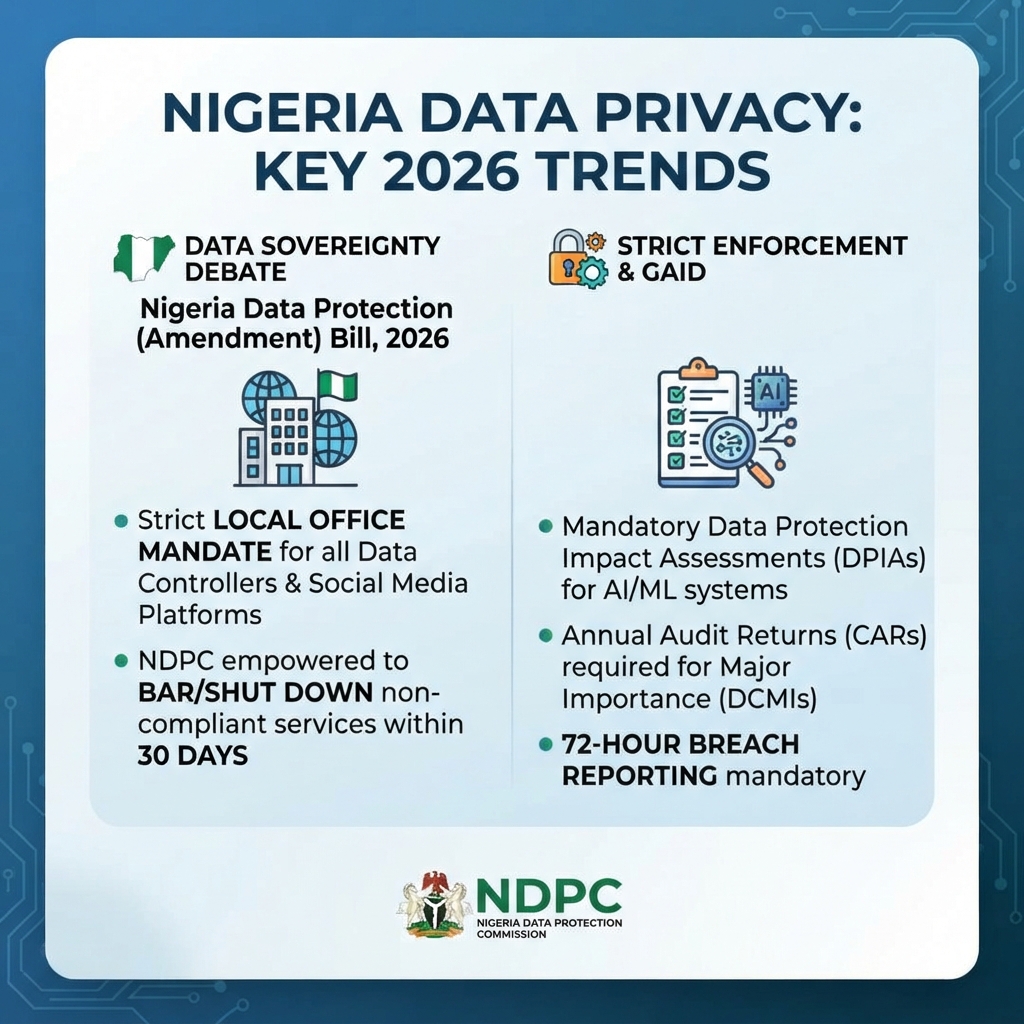
The NDPC registration portal is the official online gateway of the Nigeria Data Protection Commission for registering data controllers and data processors, filing compliance returns, and managing regulatory payments. In 2026, it remains the primary channel for demonstrating accountability under the Nigeria Data Protection Act (NDPA) and related NDPC regulations.
Using the portal helps organizations centralize evidence of compliance, from appointing a Data Protection Officer (DPO) to documenting processing activities and security controls. For growing businesses and multinational groups operating in Nigeria, timely portal registration reduces risk, supports transparent governance, and signals trust to customers and partners.
If your organization handles personal data in or from Nigeria, understanding how to navigate the NDPC registration portal is essential. This guide provides clear, step-by-step instructions, practical checklists, and troubleshooting tips to get you compliant faster.
Helpful background reads: GDPR overview (Wikipedia) for global context, and What is Data Privacy (Forbes Advisor) for business-friendly fundamentals.
Quick Summary: Who must register, required documents, timelines, and fees (at a glance)
- Who must register: Organizations acting as data controllers or data processors that collect, use, store, or share personal data in Nigeria. This includes private companies, NGOs, public bodies, and service providers processing data on behalf of others.
- Key documents: Certificate of incorporation or business registration, TIN, registered address, DPO appointment letter/CV, privacy policy, security policy, records of processing activities (RoPA), data processing agreements (where applicable), and if relevant, DPIA for high-risk processing or cross-border transfer documentation.
- Timelines: Initial registration before or shortly after commencing regulated processing, plus annual renewals and periodic compliance returns. NDPC publishes specific windows on the official portal; always confirm the current schedule on ndpc.gov.ng.
- Fees: Tiered by organization type, size, and risk category. Pay securely online via the NDPC portal using approved payment gateways. Check the latest fee schedule within your account before submitting.
Tip: Prepare your internal governance artifacts (policies, RoPA, training logs) in advance to shorten the approval cycle and reduce back-and-forth with the Commission.
Prerequisites Checklist: Determine controller/processor category and gather documents
Before opening an account on the NDPC registration portal, confirm your regulatory posture and gather evidence. The following checklist accelerates a smooth application:
- Classify your role: Are you a data controller (decides purposes/means) or a data processor (processes on behalf of a controller)? See DPO role (Wikipedia) for oversight context.
- Determine your category: Sector, company size, processing volume, and sensitivity (e.g., health, biometrics) influence your category and fees.
- Corporate documents: Certificate of incorporation/registration, TIN, registered/operational addresses, principal place of business, and authorized signatory details.
- DPO details: Appointment letter, CV/resume, and official contact email. Ensure independence and adequate expertise are documented.
- Policies and procedures: Privacy policy/notice, information security policy, breach response plan, data subject rights procedures, retention schedule.
- RoPA and DPIAs: Records of processing activities (systems, purposes, lawful bases, data subjects, data types, recipients, retention). DPIAs for high-risk processing where applicable.
- Third parties and transfers: Vendor list, data processing agreements, cross-border transfer mechanisms, and safeguards.
- Training and awareness: Staff training logs and dates, including DPO upskilling. See HubSpot data privacy guide for communication best practices.
Create Your NDPC Portal Account: Step-by-step access, verification, and security setup
- Visit the official site: Go to ndpc.gov.ng and navigate to the registration portal.
- Choose your profile: Select organization registration (controller or processor). Enter legal name, RC or business number, and corporate email.
- Verify contact details: Complete email and/or phone OTP verification. Use a monitored compliance mailbox (e.g., privacy@yourdomain) to avoid missed notices.
- Create strong credentials: Use a long passphrase and enable multi-factor authentication (MFA). Store recovery codes in a secured vault.
- Assign admins: Nominate at least two administrators for continuity. Restrict privileges using least-privilege principles.
- Harden access: Whitelist official domains, keep browsers updated, and avoid public Wi‑Fi during setup.
Security hygiene at onboarding prevents account lockouts and protects sensitive filings, especially when uploading RoPA, DPIAs, and contracts.
Complete Organization Profile and Categorization: Details, DPO info, and processing activities
After verification, complete your organization profile to enable categorization and fee calculation within the NDPC registration portal.
- Organization details: Legal name, RC/business number, sector/industry code, registered and operational addresses, website, and contact center details.
- DPO information: Full name, role, qualifications, phone, and official email. Upload the appointment letter and brief competence profile.
- Processing overview: Purposes, lawful bases, categories of data subjects (customers, employees, vendors), data types (IDs, contact, financial), retention, and security controls.
- Data flows: Recipients, processors/sub-processors, and cross-border transfers (locations, safeguards).
- Risk and impact: Indicate high-risk operations (e.g., large-scale monitoring) and attach DPIAs where applicable.
- Declarations and acknowledgments: Confirm accuracy and responsibility under NDPA and NDPC rules before submitting.
Well-structured entries reduce clarification requests and expedite issuance of your acknowledgment or certificate.
File Compliance Returns and Manage Payments: Uploads, receipts, and record-keeping
The NDPC registration portal centralizes filings and payments so your team can maintain a single source of truth for regulatory evidence.
- Compliance returns: Submit periodic returns detailing processing activities, incidents, data subject requests, and training conducted during the period.
- Document uploads: Keep versions of policies, RoPA, DPIAs, vendor assessments, and DPAs up to date. Use clear filenames and dates.
- Payments: Pay registration and renewal fees using the portal’s approved gateways. Download and archive receipts immediately.
- Certificates and acknowledgments: Retrieve official confirmations from your dashboard. Store copies in your compliance repository.
- Calendaring: Set reminders for renewal and return windows. Many teams sync portal deadlines to their project tracker.
For small businesses, building a lightweight compliance rhythm pays off. See Forbes Advisor’s data privacy primer for practical considerations.
Troubleshooting and Support: Common errors, fixes, and escalation paths
- OTP or verification emails not received: Check spam, allowlist portal addresses, and verify MX/DNS health. Retry with a corporate mailbox rather than a personal address.
- Upload failures or size limits: Compress PDFs, remove passwords from documents, and split large files. Ensure filenames avoid special characters.
- Payment not reflecting: Wait for reconciliation, refresh your dashboard, and keep the transaction reference. If unresolved, open a support ticket with proof of payment.
- Profile mismatch errors: Confirm RC/business number and legal name exactly as shown on your corporate documents. Update portal fields to match CAC records.
- Browser or session issues: Use a modern browser, clear cache, disable conflicting extensions, and avoid multiple concurrent logins.
Escalation path: Use the portal’s help center/contact form with a concise description, screenshots, timestamps, and references. For policy interpretation, consult your DPO or legal counsel and review NDPC guidance on ndpc.gov.ng.
Conclusion: Get registered now and stay compliant in 2026
Registration on the NDPC portal is more than a statutory checkbox—it is your organization’s front door to enduring data protection governance. By preparing documents, classifying your role, and following a structured onboarding, you reduce friction and demonstrate accountability.
If you process personal data in Nigeria, act now. Create your NDPC portal account, complete your profile, file your returns, and keep evidence current. This disciplined approach strengthens customer trust and positions your business for sustainable growth in 2026 and beyond.
FAQs: Do SMEs need to register, fees, updating DPO info, deadlines, multi-entity groups
- Do SMEs need to register? Yes, if an SME acts as a data controller or processor in Nigeria, registration obligations can apply. The scope depends on your processing activities, scale, and risk. When in doubt, create an account and review your category.
- How much are the fees? Fees are tiered by organization type, size, and risk profile. Always check the latest fee schedule within the NDPC registration portal before payment, as rates can be updated.
- How do we update DPO information? Edit the DPO section in your portal profile and upload a new appointment letter and credentials. Keep the DPO’s official email active for all NDPC notices.
- What are the deadlines? Expect an initial registration window, annual renewals, and recurring compliance returns. The Commission publishes current timelines on the portal and via notices—add them to your compliance calendar.
- Can multi-entity groups register together? Groups may coordinate filings, but each legal entity that acts as a controller or processor typically maintains its own registration and returns. Centralized oversight by a group DPO can streamline consistency, with entity-level specifics handled per company.
- Is GDPR experience relevant? Yes. Many controls are conceptually aligned with global best practices. Review the GDPR overview to map familiar obligations like RoPA, DPIAs, and data subject rights.
- What evidence should we keep? Policies, RoPA, DPIAs, DPAs, training logs, incident records, and all portal receipts/certificates. Organize them in a secure, versioned repository.
- Can a consultant manage the portal for us? Yes, you can delegate admin roles to trusted advisors. Retain ultimate accountability, and ensure least-privilege access with MFA enabled.