Role of a Data Protection Compliance Organization (DPCO)
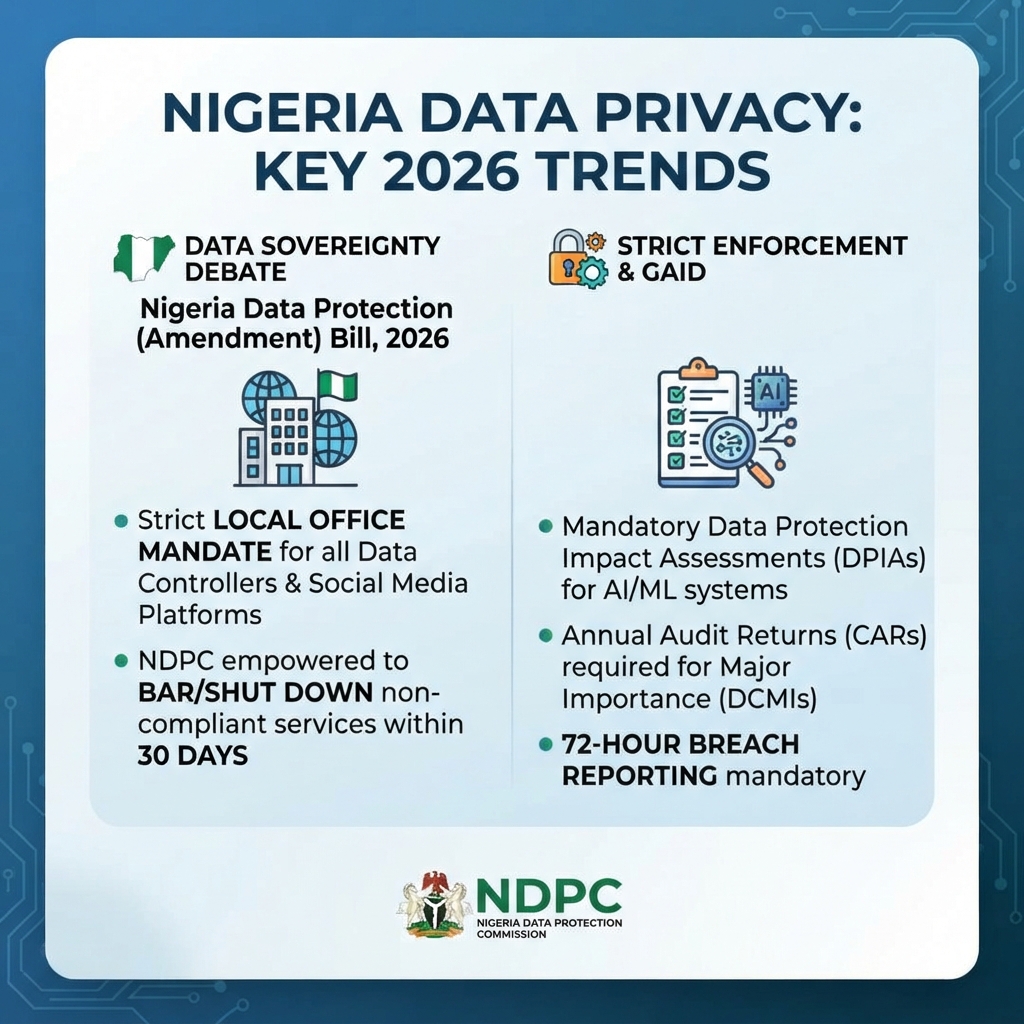
- Ensuring Regulatory Compliance
A DPCO is responsible for ensuring that an organization complies with relevant data protection laws and regulations such as GDPR, CCPA, or other local data privacy frameworks. This includes monitoring changes in legislation and updating policies accordingly. - Data Risk Assessment
The organization conducts regular assessments to identify potential risks related to data privacy and security. This helps in proactively addressing vulnerabilities and minimizing the risk of data breaches. - Policy Development and Implementation
DPCOs develop, implement, and maintain comprehensive data protection policies and procedures that govern how personal data is collected, processed, stored, and shared within the organization. - Training and Awareness
They provide training programs and awareness campaigns for employees to ensure everyone understands their responsibilities regarding data protection and follows best practices. - Data Subject Rights Management
The DPCO manages requests from data subjects, such as access, correction, deletion, or data portability requests, ensuring these are handled promptly and in compliance with legal requirements. - Incident Response and Breach Management
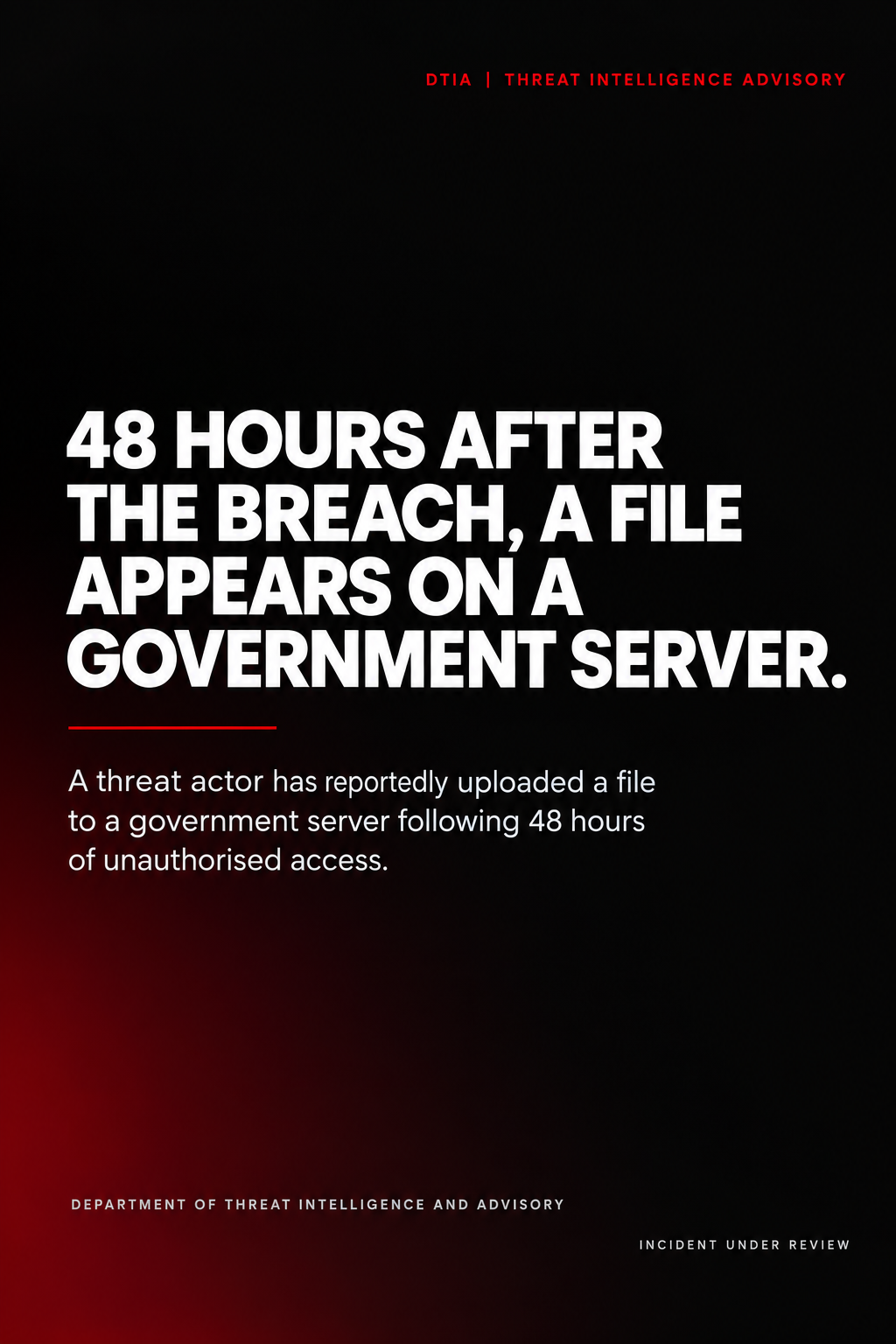
In the event of a data breach or security incident, the DPCO coordinates the response, including containment, investigation, notification to authorities and affected individuals, and remediation. - Data Protection Impact Assessments (DPIAs)
They conduct DPIAs for new projects or processing activities that may pose significant risks to data subjects, ensuring privacy risks are identified and mitigated before implementation. - Liaison with Regulatory Authorities
The DPCO acts as the primary point of contact between the organization and data protection authorities, managing audits, investigations, and reporting requirements. - Continuous Monitoring and Improvement
They continually monitor the effectiveness of data protection measures and implement improvements to enhance the organization’s data privacy posture. - Documentation and Record Keeping
Maintaining detailed records of data processing activities, compliance efforts, and incident management is a key responsibility to demonstrate accountability and transparency.