How schools can ensure compliance and avoid these consequences
Obtain proper and explicit consent: When handling children’s data, it is essential to obtain and carefully verify clear consent from parents or legal guardians. This is particularly important for activities such as sharing photographs or any personal information on social media platforms, ensuring that all permissions are properly documented and respected.
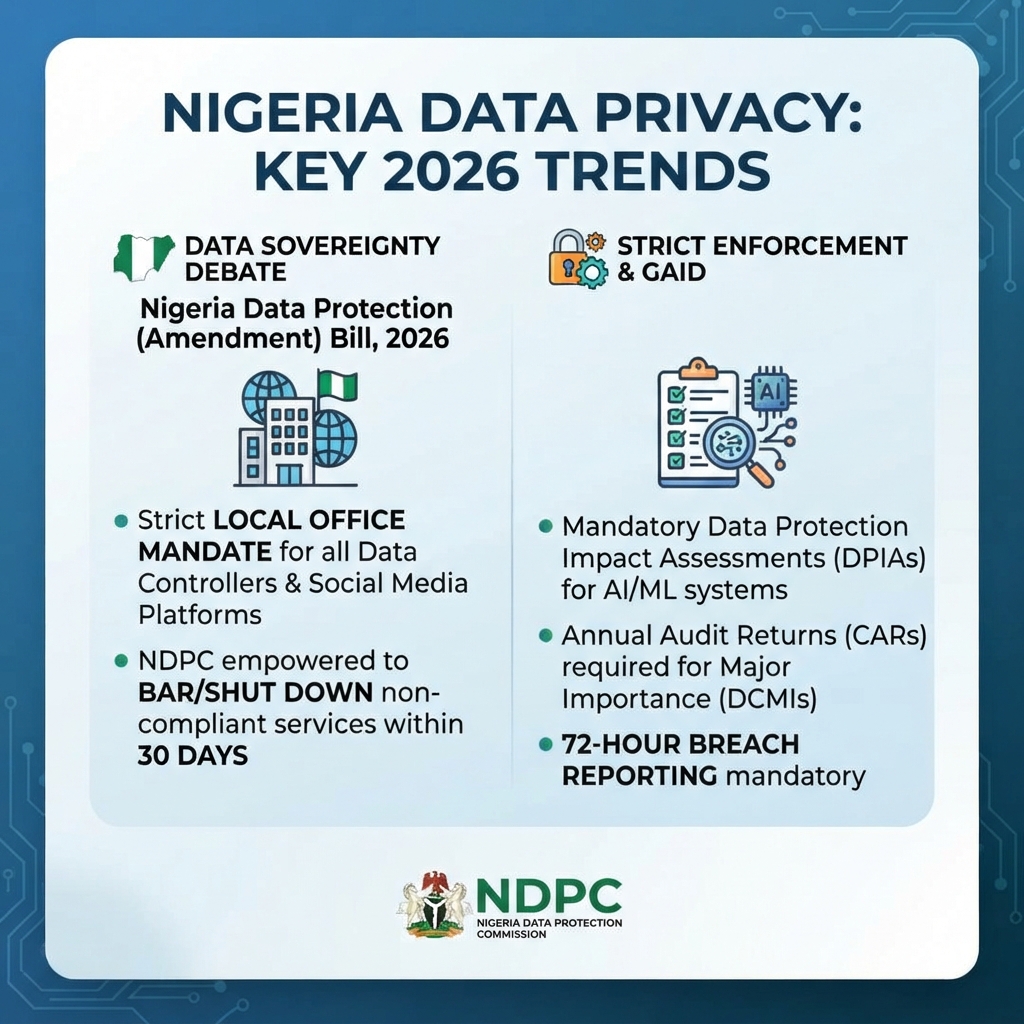
Understand your status thoroughly: Carefully determine whether your school qualifies as a Data Controller of Major Importance by evaluating it against the specific criteria outlined by the NDPA. This assessment will help clarify your responsibilities and ensure compliance with relevant data protection regulations.
Appoint a DPO: If it is necessary, appoint a qualified and experienced Data Protection Officer (DPO) or alternatively engage a reputable external Data Protection Compliance Organisation (DPCO) to effectively oversee and ensure ongoing compliance with all relevant data protection regulations and standards.

Register with the NDPC: Schools that are classified as Data Controllers of Major Importance are required to complete the registration process with the NDPC through its official online portal. This registration is mandatory and ensures that these schools comply with data protection regulations by formally notifying the NDPC of their data handling practices and responsibilities.
Train staff: Ensure that all employees receive regular and comprehensive training sessions focused on data protection principles and procedures. This ongoing education will help staff stay informed about the latest best practices, legal requirements, and company policies related to safeguarding sensitive information effectively.
Implement comprehensive security measures: Utilize a combination of technical tools and organizational policies such as robust encryption methods, stringent access controls, and secure data storage solutions to effectively safeguard personal data from unauthorized access, breaches, and other security threats.
Have a breach response plan: Develop and implement a comprehensive, well-defined protocol for responding promptly and effectively to data breaches. This plan should clearly outline the necessary steps to take immediately after a breach is detected, including the critical requirement to notify the National Data Protection Commission (NDPC) as well as all affected individuals within a strict timeframe of 72 hours. Ensuring this process is in place helps mitigate potential damage and ensures compliance with regulatory obligations.