NDPA and NDPR Compliance Checklist for Insurance Sector
- Data Mapping and Inventory
Insurance companies must first identify and document all personal data they collect, process, and store. This includes client information, employee records, and third-party data. Understanding data flows helps in assessing risks and ensuring proper controls are in place. - Lawful Basis for Processing
Under the NDPR, processing personal data must have a lawful basis. For insurance firms, this could be consent from customers, fulfillment of contractual obligations, or compliance with legal requirements. It is crucial to clearly document the basis for each type of data processing activity. - Data Subject Rights
Insurance companies must implement procedures to uphold data subject rights such as access, rectification, erasure, and objection to processing. Mechanisms should be in place to handle requests within the mandated timeframes and ensure transparent communication with data subjects. - Data Protection Policies and Procedures
Developing and maintaining comprehensive data protection policies tailored to the insurance sector is essential. Policies should cover data handling, breach response, data retention, and staff responsibilities to foster a culture of compliance. - Security Measures
Appropriate technical and organizational measures must be applied to safeguard personal data. This includes encryption, secure storage, access controls, and regular security audits to protect against unauthorized access, loss, or damage. - Data Breach Management
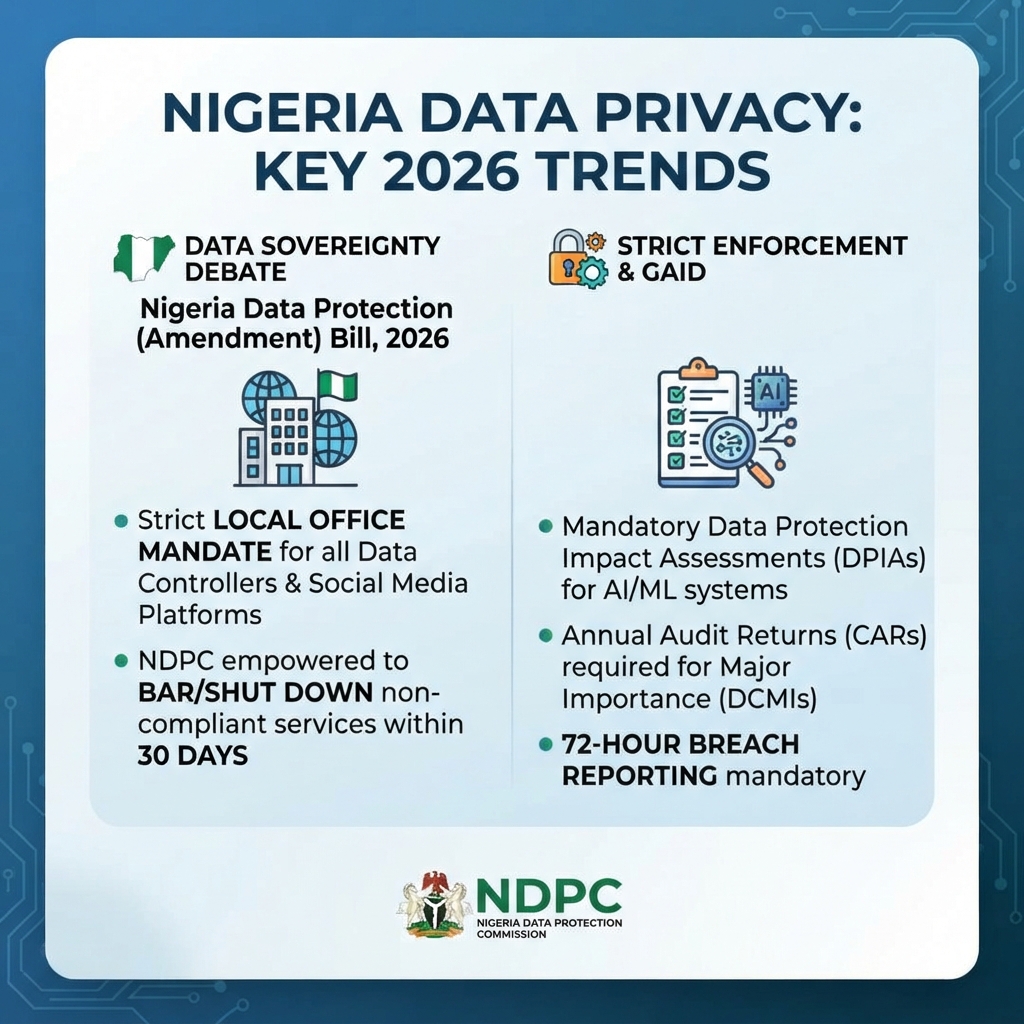
Insurance companies must have a clear incident response plan to quickly identify, contain, and report data breaches to the National Information Technology Development Agency (NITDA) within the stipulated 72 hours. This minimizes damage and demonstrates accountability. - Data Processing Agreements
When engaging third-party service providers, insurance firms must ensure that data processing agreements are in place. These agreements should define the responsibilities and obligations of each party to protect personal data according to NDPR standards. - Staff Training and Awareness
Regular training programs should be conducted for all employees to raise awareness about NDPR requirements and personal data protection best practices. Well-informed staff reduce the risk of accidental breaches and help maintain compliance. - Data Minimization and Retention
Only data necessary for insurance operations should be collected and retained for a defined period as per regulatory or business needs. Excess or outdated data should be securely deleted to reduce risk and comply with data retention policies. - Appointment of a Data Protection Officer (DPO)
Insurance companies are encouraged to appoint a qualified DPO to oversee compliance efforts, act as a point of contact with regulators, and ensure ongoing monitoring of data protection practices.